
Expertise
Energy management (ISO 50001)
We help manufacturers and site managers understand their energy use, reduce it measurably and prepare for ISO 50001 certification.
Challenges
Measure energy to reduce it
Energy is a major cost for many plants, and its weight grows when tariffs change or production steps up. Yet many companies only know their overall bill. Without metering by use, it is hard to tell which equipment consumes the most, to spot drift or to justify an energy efficiency investment to the board.
ISO 50001 provides the structure: an energy review, reliable indicators, an action plan and follow-up of results. Foreign customers and lenders also see it as evidence of cost control and environmental commitment. It fits easily alongside an existing ISO 9001 or ISO 14001 system.
Our services
What we do
01
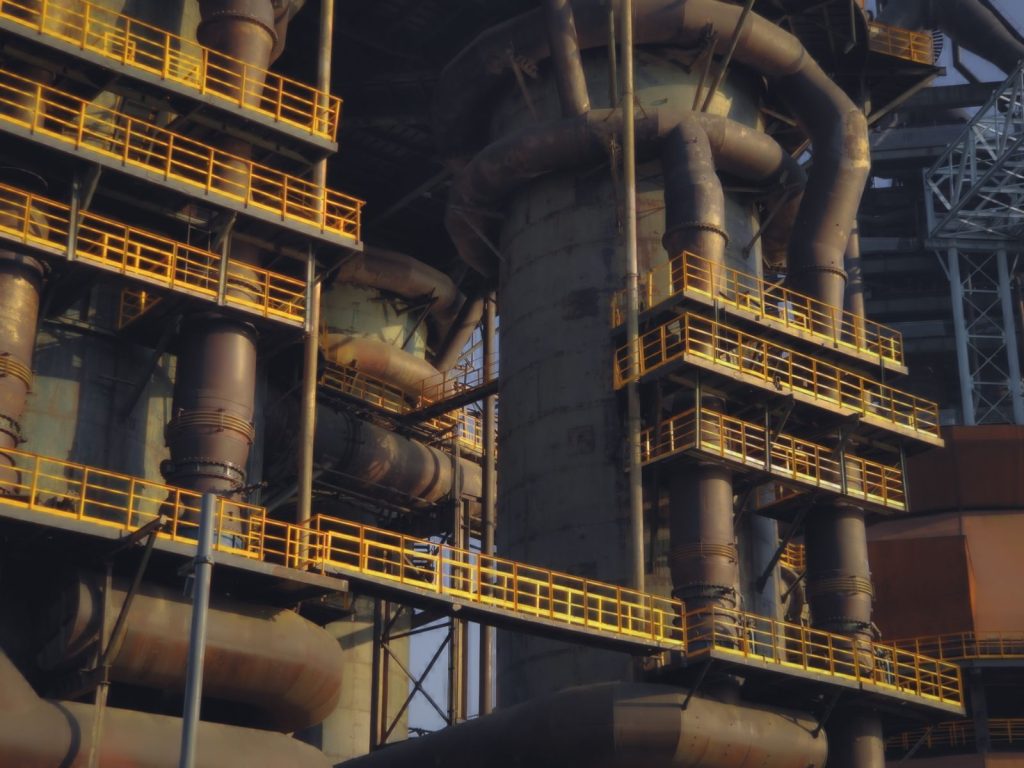
Energy review and significant uses
We analyse your bills, meter readings and equipment to break down consumption by energy source and by use: electricity, gas, fuel, steam, compressed air and refrigeration. We identify significant energy uses, the variables that affect them and the people who control them. Where an energy audit already exists, we build on its measurements and fill the gaps. You get a quantified picture of where your energy goes and where savings can be found.
- Breakdown by source and use
- Significant energy uses
- Savings opportunities identified
02
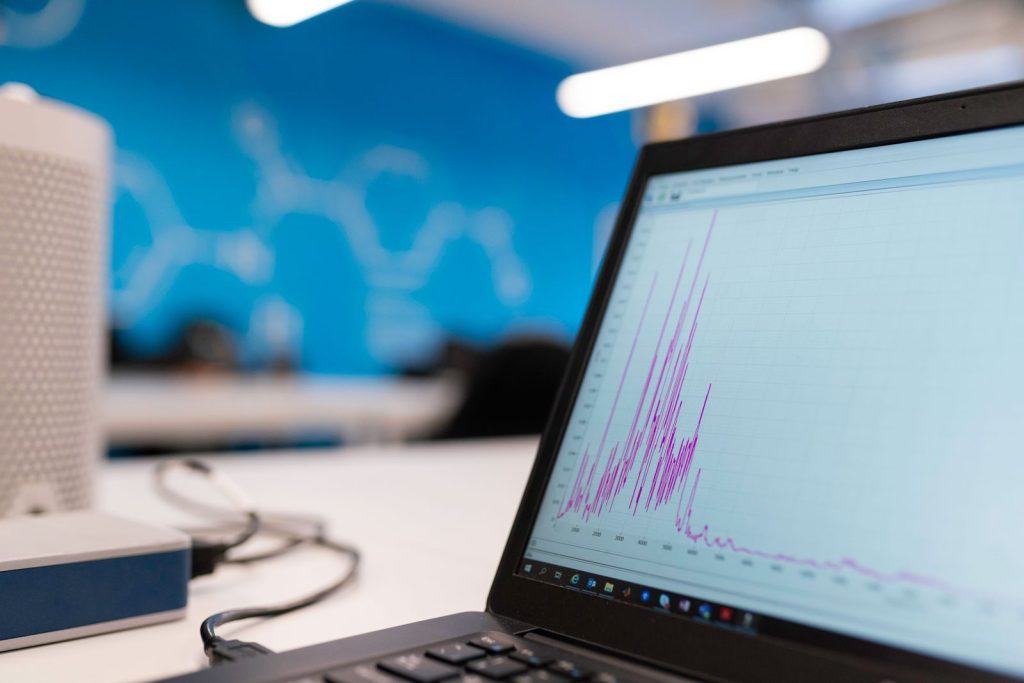
Baseline and indicators
We set the energy baseline using a period that represents your normal activity. We define suitable energy performance indicators (EnPIs), such as kWh per tonne produced, adjusted for relevant variables like output or outdoor temperature. These indicators allow a fair comparison from one year to the next, so that a drop in activity is not mistaken for real progress. You get measurable energy targets that stand up in front of your management.
- Documented energy baseline
- EnPIs adjusted for variables
- Measurable energy targets
03
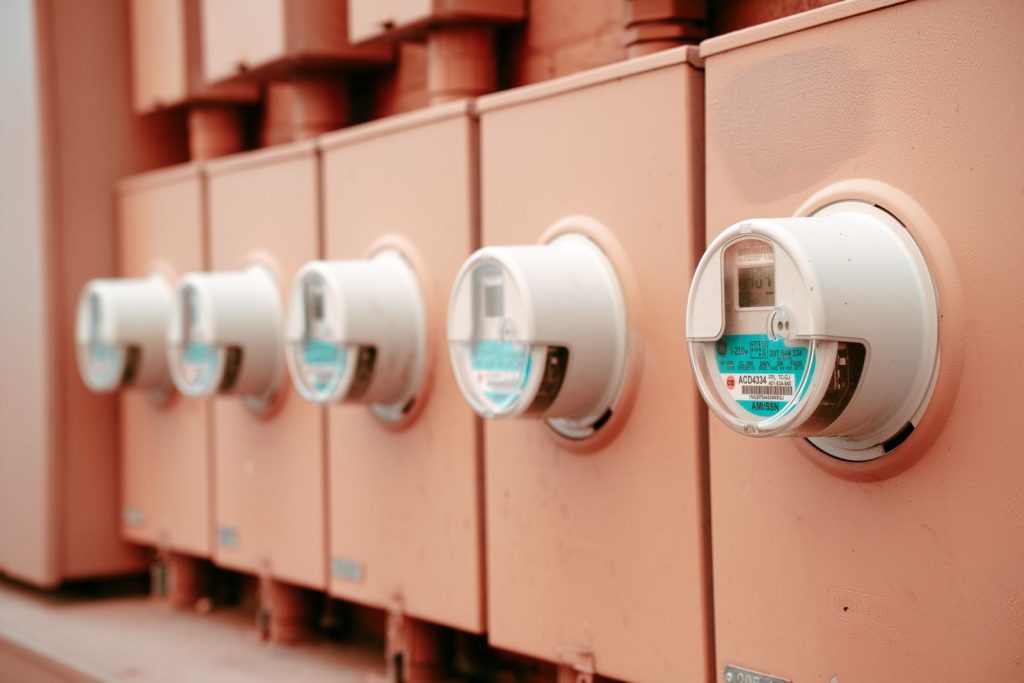
Metering plan and data tracking
We list the meters already installed and define the missing measurement points on significant uses, separating what must be measured continuously from what can be read periodically. The data collection plan sets out the frequency, owner and verification method for each item. We set up monthly tracking in Excel or in your existing tools, with a clear reading for each significant use. Your decisions rest on reliable data, and drift is picked up quickly.
- Inventory of existing meters
- Measurement points to add
- Monthly consumption tracking
04
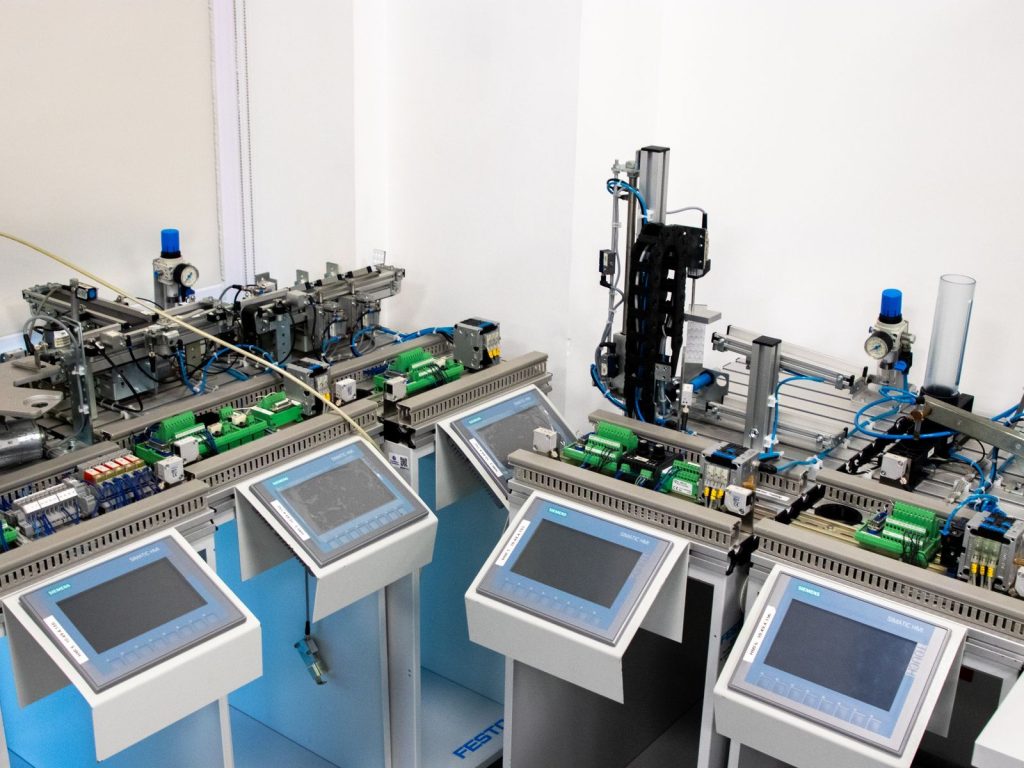
Efficiency projects and payback
We turn the opportunities found into a ranked action plan: no-cost measures first (settings, schedules, operating instructions), then larger projects such as variable speed drives, heat recovery, lighting or insulation. For each project, we estimate the expected saving, the investment and the payback period, with the assumptions stated. Once work is completed, we check actual savings against the indicators and the baseline. You decide on investments based on figures, not on supplier promises.
- Actions ranked by priority
- Payback period per project
- Verification of actual savings

05
Documentation and training
We draft the energy policy, operational control procedures for significant uses and the criteria to include in equipment purchasing and facility design. If you already run an ISO 9001 or ISO 14001 system, we add the energy component without duplication. We train the energy team, the operators of the equipment concerned and the buyers, using examples from your own site. Everyone knows their role and how their day-to-day practices affect the energy bill.
- Energy policy and procedures
- Energy criteria in purchasing
- Energy team training
06
Internal audits and certification
We train your internal auditors on ISO 50001 requirements and carry out a first round of audits with them. We prepare the management review, covering indicator trends, action plan progress and the resources needed for the next period. Before the audit by the accredited certification body, we run a mock audit and check that improved energy performance is backed by data. Afterwards, we help you close any findings and prepare for surveillance audits.
- Internal auditor training
- Preparatory mock audit
- Evidence of energy improvement
In practice
Tracked consumption against the baseline
The consumption index, adjusted for production, is compared each period with the energy baseline. The gap between the two lines represents the savings achieved.
Deliverables
What you receive
- An energy review report covering significant energy uses
- An energy baseline and a set of EnPIs
- A metering plan and an Excel tracking sheet
- An action plan with estimated savings and payback periods
- ISO 50001 documentation ready for the certification audit
Who we work with
The organisations we support
- Manufacturers where energy weighs on production costs
- Multi-site companies wanting to compare performance
- ISO 9001 or ISO 14001 certified companies adding energy
- Managers of office buildings, hotels and healthcare facilities
Our approach
We start from your bills, meter readings and site visits before making any recommendation. Every proposed action is tied to a measured figure and to an indicator that will show whether it worked.
Scope
What this area covers
- ISO 50001
- Energy review
- Significant energy uses
- Energy baseline
- Energy performance indicators (EnPI)
- Metering plan
- Energy audit
- Industrial energy efficiency
- Compressed air and steam
- Motors and variable speed drives
- Industrial refrigeration and HVAC
- Lighting
- Heat recovery
- Investment payback
- ISO 50001 internal audits
- Certification audit preparation
FAQ
Frequently asked questions
How long does it take to prepare for ISO 50001 certification?
It depends on the number of sites, the energy sources used and the metering already in place. It usually takes several months, mainly to establish a baseline and gather tracking data over a sufficient period. A company already certified to ISO 9001 or ISO 14001 can build on its existing system. The initial assessment sets a realistic timetable.
What is the difference between an energy audit and ISO 50001?
An energy audit is a one-off analysis: it measures consumption at a given time and proposes savings measures. ISO 50001 is a management system: it organises ongoing monitoring, responsibilities, indicators and continual improvement. The two work together. The audit feeds the energy review, and the system makes it possible to check that actions are carried out and followed up.
How do you calculate the payback of an energy efficiency project?
Simple payback divides the investment by the expected annual saving in monetary terms. For larger projects, we add a net present value calculation that takes account of equipment life, maintenance and possible tariff changes. All assumptions are written down so that management can discuss and challenge them before deciding.
How do I get ISO 50001 certification in Algeria?
Certification is granted by an accredited certification body after an audit of your energy management system. Before that audit, you need to have completed the energy review, set a baseline and indicators, implemented an action plan, and carried out an internal audit and a management review. We support you through each of these steps.
Want to bring your energy use down?
Send us your recent energy bills and we will tell you what data to gather and which areas to examine first.