
Expertise
Food processing
We help investors and food manufacturers in Algeria structure their projects, from raw material supply through to sales.
Challenges
From farm to factory, a chain to master
A food processing plant depends on agricultural raw material that is seasonal, perishable and variable in quality. The volume collected, the processing yield and the cold chain weigh on the cost price far more than the equipment itself. A plant that is poorly supplied runs below capacity and struggles to repay its loans.
We study the whole chain, from the farming area that supplies the plant to the point of sale. Each link becomes a quantified assumption that the investor, the partners and the bank can check together. We also flag weak points before they show up in the accounts.
Our services
What we do
01
Processing plant feasibility
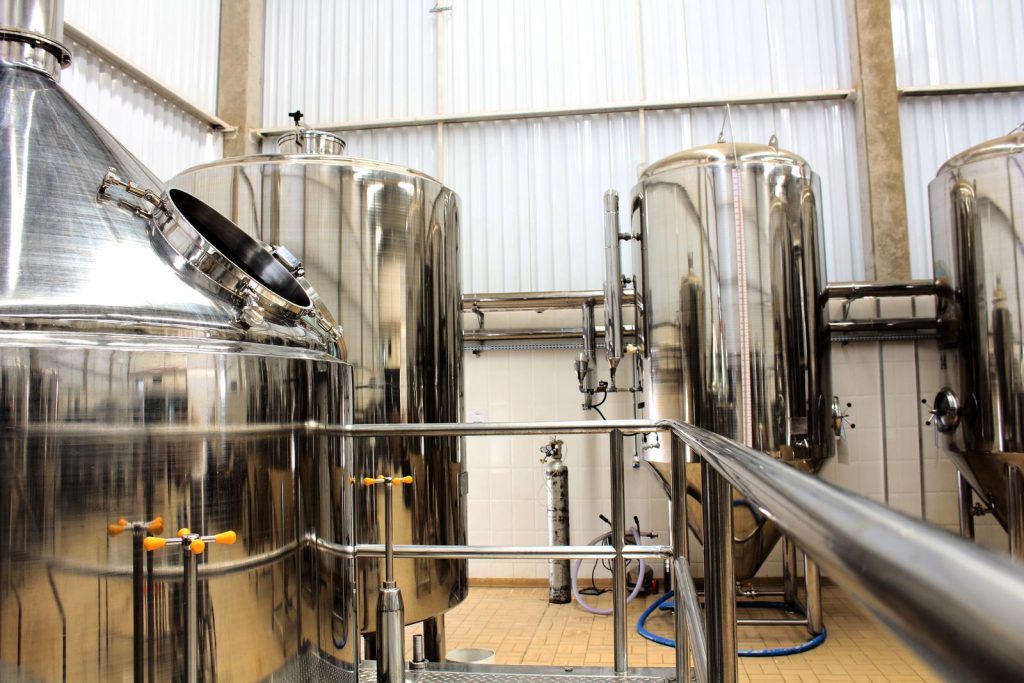
We study your project for a dairy, flour mill, cannery, beverage plant, oil mill or packing unit. The study covers the market, process, equipment selection, investment programme, financing plan and profitability, in the format expected by banks and the investment promotion agency. You find out whether the project holds up, at what capacity, and under which supply conditions it can be financed and run. We also flag the points to check with equipment suppliers before signing.
- Dairy, milling, canning, drinks
- Process and equipment selection
- Bank-ready format
02
Sourcing and farmer contracts
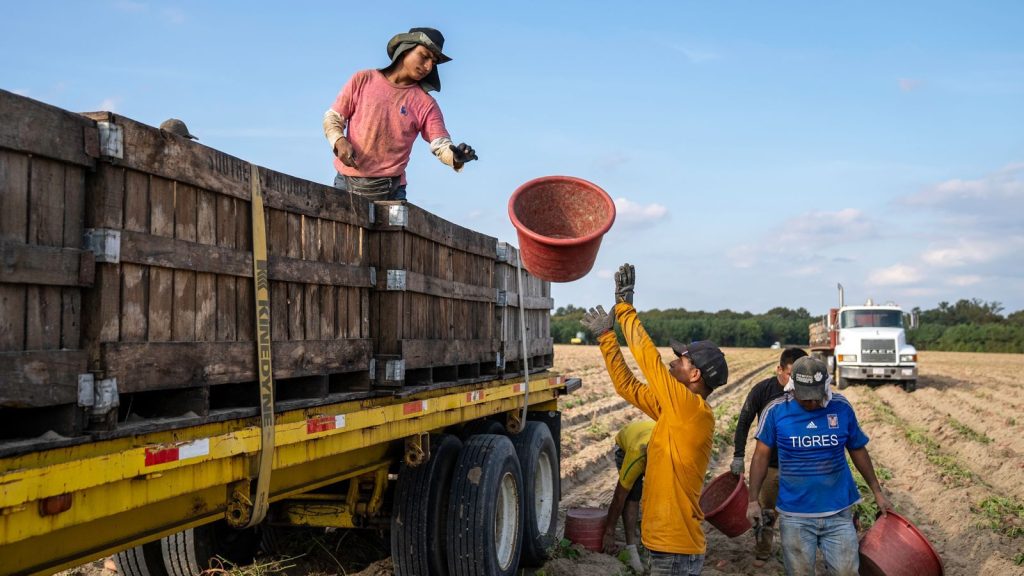
We assess the farming area around the plant: available volumes, seasonality, quality, prices and competition between buyers. We then structure your purchasing policy: collection, reception centres, contracts with farmers or livestock breeders, advances and quality terms. You receive a realistic supply plan that bases the plant’s capacity on what the region can actually deliver. We also plan fallback options for a poor season, such as stocks, additional sourcing or adjusting the product range.
- Supply area diagnostic
- Contracts with producers
- Collection and reception plan
03
Plant layout and capacity
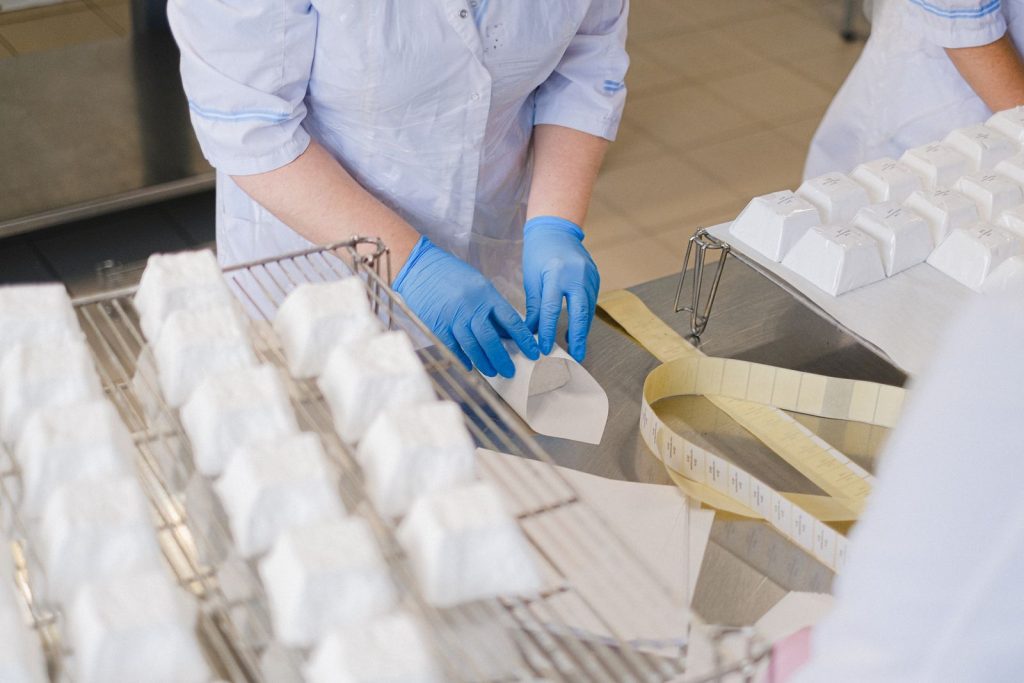
We size the processing and packing lines according to raw material volumes and seasonal peaks. We propose a plant layout that separates areas along a forward flow, from the receiving bays to finished goods storage. You get a layout drawing and a capacity plan that are consistent with hygiene requirements and with your growth plans, so the plant can expand without a costly redesign. Water, energy and effluent treatment needs are costed at this stage.
- Lines sized for seasonal peaks
- Forward flow and zoning
- Capacity plan with room to grow
04
Cost price and material yield
We calculate the cost price of each finished product, starting from material yield: how much milk, wheat or fruit goes into one unit sold. The model includes packaging, energy, refrigeration, labour, losses and distribution costs. You know your margin by product and by sales channel, and you can simulate the effect of a change in the prices paid to producers. The model also gives you solid ground for price negotiations with producers and distributors.
- Material yield per product
- Margin by product and channel
- Purchase price simulation
05
Cold chain and logistics
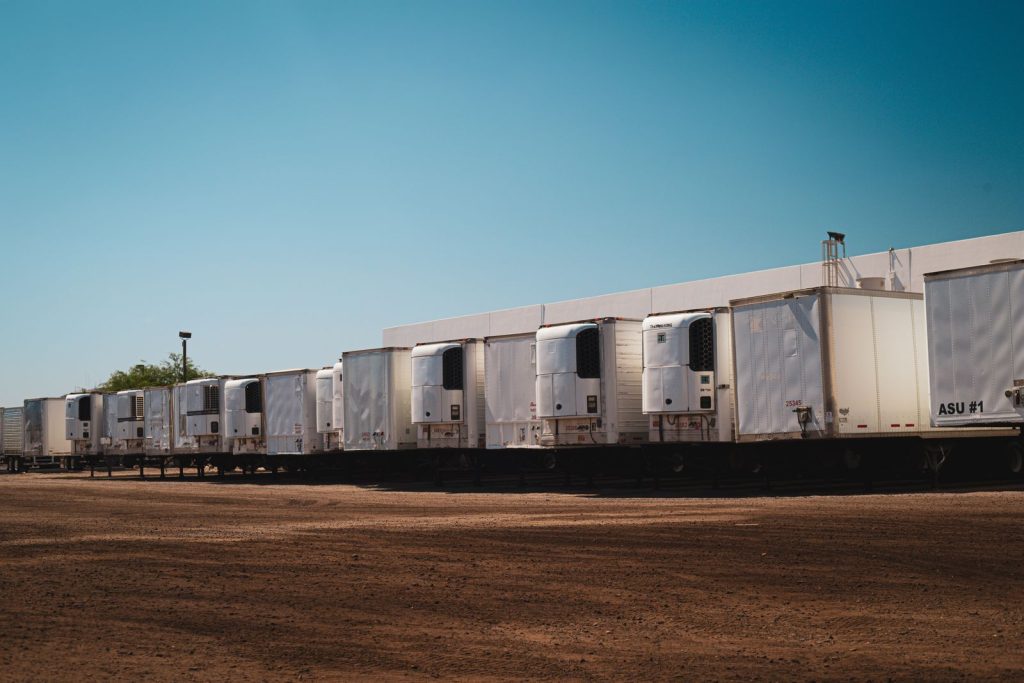
We organise the logistics of your products, from collecting raw material to delivering to points of sale. For fresh products, we size the cold rooms, the refrigerated vehicle fleet and the delivery rounds. You receive a costed logistics plan that limits losses, helps keep products at the right temperature and compares running your own transport with outsourcing it. We also set out the temperature checkpoints to monitor, from reception through to delivery.
- Cold rooms and vehicles
- Delivery rounds and warehouses
- In-house or outsourced transport
06
Markets, distribution and export
We study demand, prices, local and imported competition, and distribution channels: wholesalers, retail chains and institutional catering. For export, we identify accessible markets, labelling and food safety requirements, and support schemes such as ALGEX. You get a quantified commercial strategy and a roadmap for your first shipments, with the steps to complete before approaching foreign buyers. The target volumes by channel then feed the sales assumptions in the financial model, so the plan and the figures stay aligned.
- Demand, prices and competition
- Distribution channels
- Export roadmap
In practice
Cost price structure of a processed product
In a food processing unit, raw materials usually weigh the most. A detailed cost price shows where the room for manoeuvre lies: purchasing, material yield, packaging and energy.
Deliverables
What you receive
- A bank-format feasibility study for your processing unit
- A supply plan and a contract framework for producers
- An Excel cost price model based on material yield
- A plant layout and a logistics plan, cold chain included
- A market study and an export roadmap
Who we work with
The organisations we support
- Investors setting up a food processing unit
- Manufacturers expanding their range or capacity
- Cooperatives and farms looking to process their own output
- Banks and partners seeking an independent review of a food processing project
Our approach
We start from the raw material available before sizing the plant, then work forward to the market. Our agriculture, industry and finance experts work on the same model, which keeps assumptions consistent along the whole chain.
Scope
What this area covers
- Dairies and cheese making
- Flour and semolina mills
- Fruit and vegetable canning
- Beverages and juices
- Oil mills
- Meat processing
- Biscuits and confectionery
- Food packing and packaging
- Farm collection and contracts
- Cold chain
- Warehousing and logistics
- Food market studies
- Food export
- HACCP and ISO 22000 preparation
- Agri-food investment financing
FAQ
Frequently asked questions
How do you carry out a feasibility study for a dairy in Algeria?
The study starts with the milk supply area: the volume of raw milk available, seasonality, price and quality. It then defines the product range, capacity, equipment, investment programme and financing plan. We prepare it in the format requested by banks and the investment promotion agency, based on supplier quotes and on data that can be checked.
How do you calculate the cost price of a food product?
The starting point is material yield, meaning the quantity of raw material needed for one unit of finished product. You then add packaging, energy, refrigeration, labour, losses, equipment depreciation and distribution costs. We deliver this calculation as an Excel model, so that you can simulate changes in purchase prices and see their effect on margins.
How can a food plant secure its raw material supply?
First, measure what the region actually produces and what other buyers already collect. Then come contracts with farmers or breeders, with clear price, quality and payment terms, and sometimes technical support for producers. We build this supply plan before setting the plant’s capacity, so that the investment matches what can really be sourced.
Do you need HACCP or ISO 22000 certification to export food products?
Requirements depend on the country and the buyer. Many importers and retailers expect at least a working HACCP system, and some ask for ISO 22000 or equivalent certification. We prepare the plant for these requirements, through our Quality & compliance pole, up to the audit by an accredited certification body. We build them into the project from the design stage.
A food processing project in mind?
Tell us about your product and supply area: we will tell you which data to gather and which study fits.