
Expertise
Laboratories (ISO/IEC 17025)
We prepare testing and calibration laboratories for ISO/IEC 17025 accreditation, from the initial gap analysis to the assessment by the national accreditation body.
Challenges
Reliable, recognised results
A test report is only worth something if the customer, the authorities or a foreign partner can rely on it. ISO/IEC 17025 accreditation recognises a laboratory’s technical competence for specific tests or calibrations. It looks at methods, equipment and people as closely as at the organisation. In Algeria, accreditation is granted by ALGERAC, the national accreditation body.
Findings raised during assessments often concern measurement uncertainty, the traceability of reference standards or a lack of proficiency testing. We deal with these technical points alongside your team, starting from your actual methods, equipment and records.
Our services
What we do

01
Gap analysis and impartiality
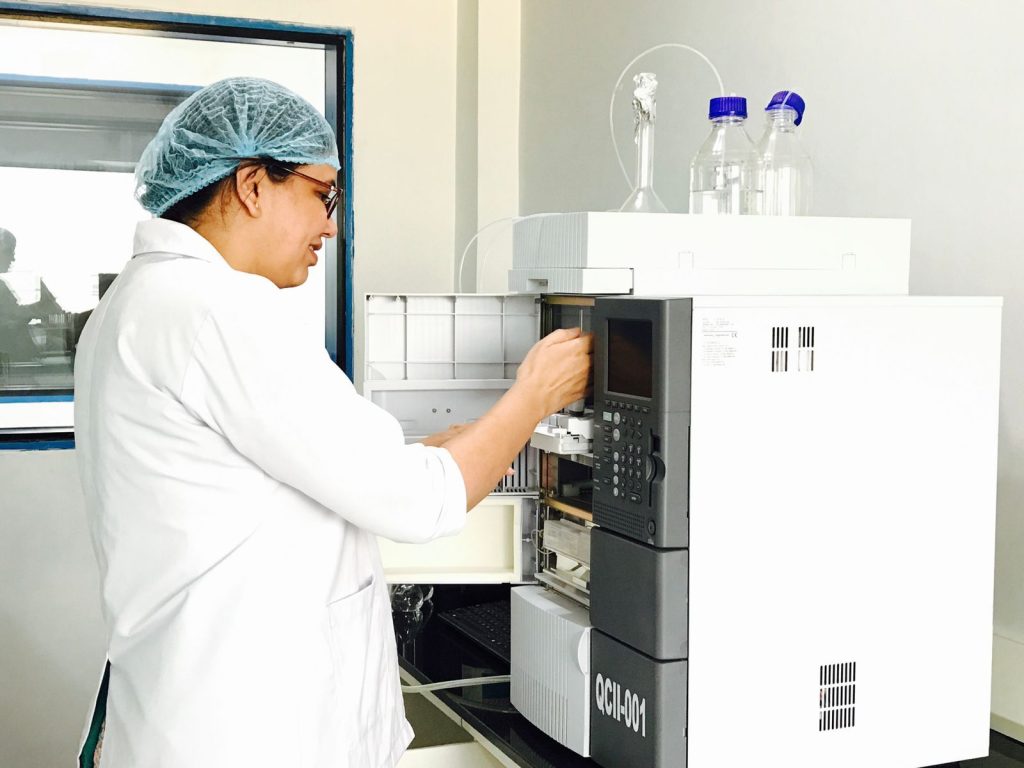
We compare how your laboratory works against every requirement of ISO/IEC 17025, through interviews, observation of tests and a review of existing records. We analyse risks to impartiality arising from commercial, financial or reporting relationships, and check confidentiality commitments to customers. You receive a gap report ranked by priority and an action plan that sets out each step up to the submission of your application to the national accreditation body.
- Requirement-by-requirement review
- Impartiality risk analysis
- Action plan up to assessment
02
Method validation and uncertainty
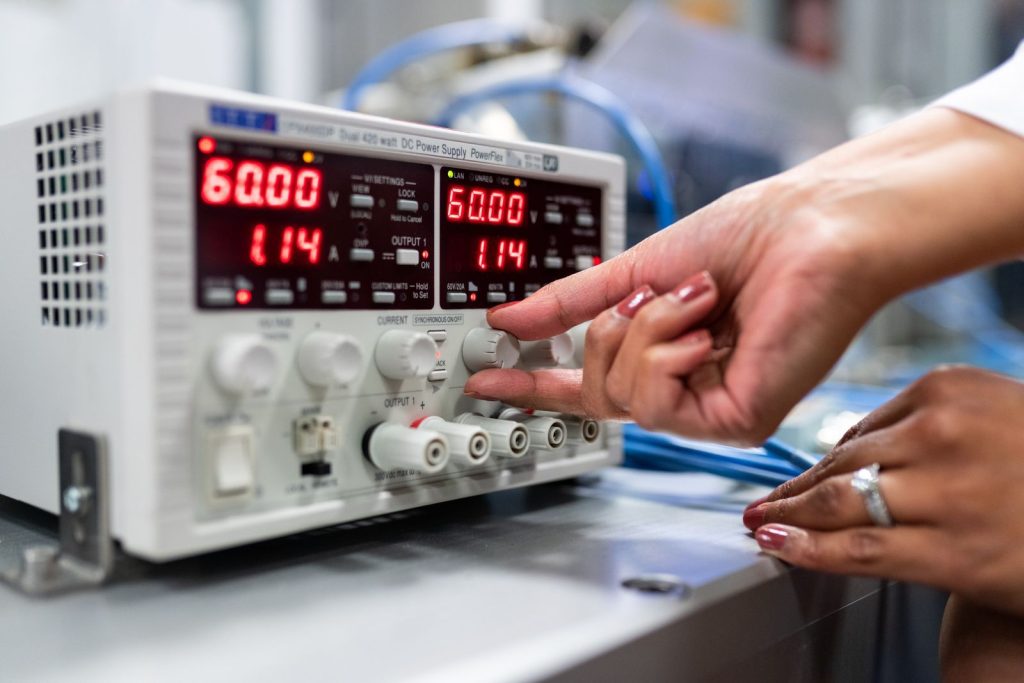
We check that your standard methods perform as expected under your own conditions and organise the validation of in-house or modified methods: trueness, precision, limits of detection and quantification, working range. With your analysts, we build measurement uncertainty budgets component by component, using your own data. You receive validation files and uncertainty sheets ready to present to assessors, and understood by the people who actually run the tests day to day.
- Verification and validation files
- Uncertainty budget per method
- Detection limits and working range
03
Equipment, calibration and traceability
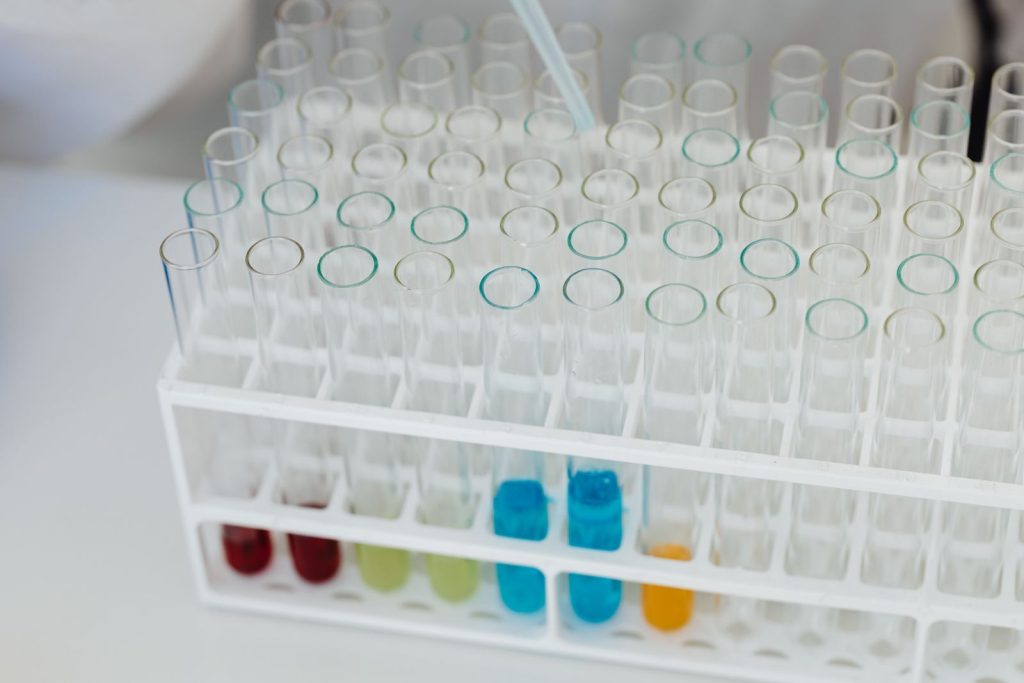
We draw up an inventory of your measuring equipment and reference standards, with their calibration status and acceptance criteria. We build the metrological traceability chain to the International System of Units, checking the certificates issued by your calibration providers. We set up the calibration programme, intermediate checks and the management of reference materials. You know at any time which equipment can be used and on what basis, and assessors can follow the same trail.
- Equipment inventory and status
- Documented traceability chain
- Intermediate checks
04
Proficiency testing and quality control
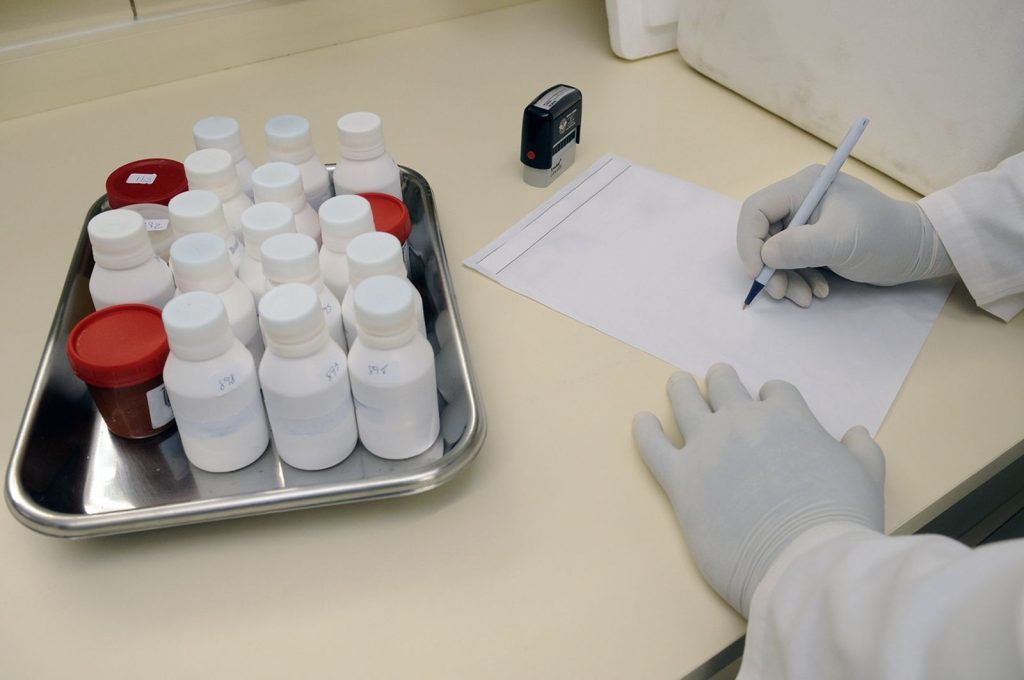
We define your programme of proficiency testing and interlaboratory comparisons, consistent with the accreditation scope you are aiming for. Each round is reviewed and its outcome recorded. We set up internal quality control: control charts, duplicate tests, reference samples and warning limits. When a result falls outside the limits, we help you investigate the cause and document the corrective action. You can then show, with evidence, that your results remain valid over time.
- Proficiency testing programme
- Control charts and limits
- Out-of-limit result analysis
05
Documentation, reports and competence
We write with you a proportionate documentation system: manual, technical and management procedures, work instructions and record forms. We review your test report and calibration certificate templates so that they contain the required information, including statements of conformity and the decision rule applied. We set out competence criteria, training and authorisation for each analyst. Records then show who did what, with which equipment and when, for every test or calibration issued.
- Procedures and work instructions
- Compliant report templates
- Analyst authorisation

06
Audits and accreditation assessment
We train your internal auditors and carry out a full technical and management audit with them, followed by a management review. Before the accreditation body’s assessment, we run a mock assessment, check the evidence and prepare analysts for the tests they will perform in front of assessors. We help you assemble the application and define the scope. After the assessment, we support you in closing findings and preparing for surveillance visits.
- Internal auditor training
- Mock assessment beforehand
- Closing assessment findings
In practice
The path to accreditation
The diagram shows the main stages we follow with a laboratory, from the initial gap analysis to the assessment by the accreditation body. The length of each stage depends on the scope sought.
Deliverables
What you receive
- An ISO/IEC 17025 gap report and a prioritised action plan
- Validation files and uncertainty budgets for each method
- A calibration and proficiency testing programme
- A documentation system with test report templates
- A mock assessment report ahead of the accreditation assessment
Who we work with
The organisations we support
- Private testing laboratories seeking a first accreditation
- Quality control laboratories within a production site
- Calibration and metrology laboratories
- Accredited laboratories extending their scope or preparing for surveillance
Our approach
We work at the bench with your analysts as much as in the office with management. Every document we produce reflects an actual practice in the laboratory and can be defended in front of an assessor.
Scope
What this area covers
- ISO/IEC 17025
- Testing laboratories
- Calibration laboratories
- Quality control laboratories
- Food testing
- Water and environmental testing
- Construction materials testing
- Method validation
- Measurement uncertainty
- Metrological traceability
- Proficiency testing
- Interlaboratory comparisons
- Impartiality and confidentiality
- Laboratory internal audits
- ALGERAC assessment preparation
FAQ
Frequently asked questions
How do you get ISO/IEC 17025 accreditation in Algeria?
In Algeria, accreditation is granted by ALGERAC, the national accreditation body, following a document review and an on-site assessment. The laboratory must first set up a compliant system, validate its methods, establish its uncertainties and take part in proficiency testing. We prepare the laboratory for each of these steps and for the application; the decision rests with the accreditation body.
What is the difference between ISO 9001 certification and ISO/IEC 17025 accreditation?
ISO 9001 certification confirms that a management system meets the standard. ISO/IEC 17025 accreditation recognises a laboratory’s technical competence for the tests or calibrations defined in its scope. It therefore also examines methods, uncertainty, traceability and analyst qualifications. A laboratory can be certified to ISO 9001 without being accredited, and the two approaches can share one documentation system.
How long does it take to prepare a laboratory for accreditation?
It depends on the scope sought, the number of methods and the state of the existing system. For a laboratory that is already organised, preparation usually takes several months. Time is also needed to build up records, quality control results and at least one round of proficiency testing. The initial gap analysis gives a realistic timetable.
How is measurement uncertainty calculated for a test?
First, the sources of uncertainty are identified: equipment calibration, repeatability, sample preparation, ambient conditions and reference materials. They are then quantified using the laboratory’s own data and combined according to a recognised method. We build these budgets with your analysts, method by method, so that they can keep them up to date and explain them to assessors.
Is your laboratory aiming for accreditation?
An initial discussion helps us position your laboratory and define a realistic scope to put forward.